Tips for Loading Your Mini Skip Bin Efficiently
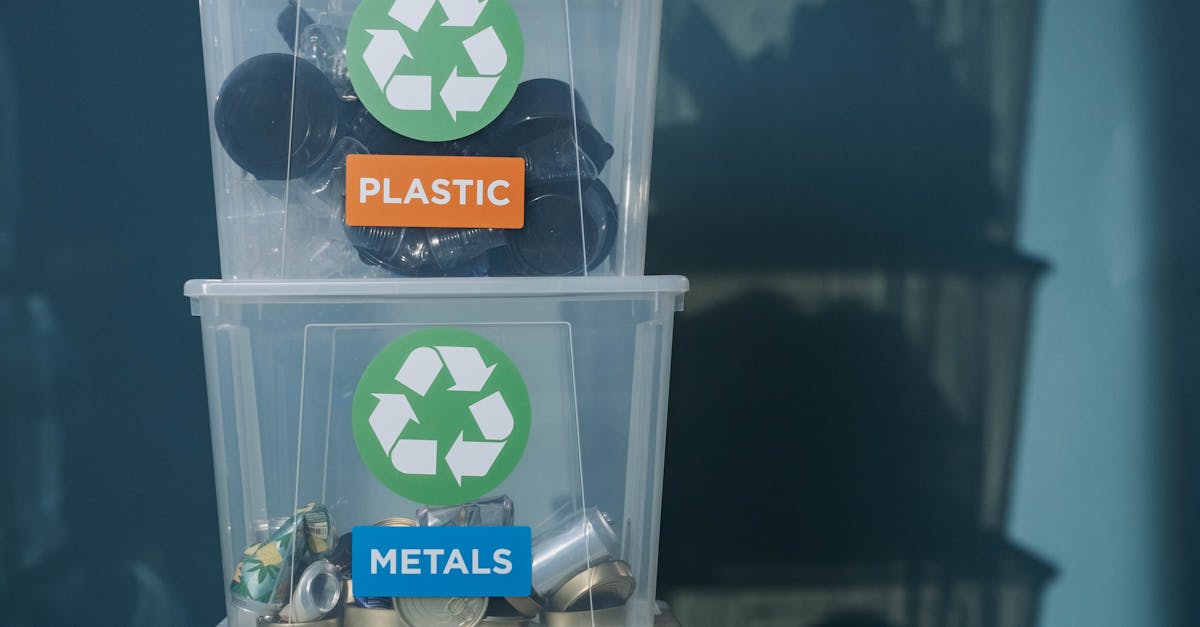
Table Of Contents
Breaking Down Large Items
When tackling bulky items, taking the time to break them down into smaller pieces makes a significant difference in the loading process. This not only allows you to maximise space but also makes handling easier. Consider disassembling furniture, cutting down large cardboard boxes, or breaking down timber and other materials. Using the right tools will facilitate this task, ensuring that you can safely and efficiently manage the waste.
Avoiding the hassle of trying to fit oversized items as they are can lead to wasted space in your mini skip bin. By breaking down these items, you'll be able to arrange them more effectively, utilising every available inch. Be mindful of sharp edges and potential hazards during this process; safety gear, such as gloves and goggles, can help protect you while managing larger waste.
Maximising Available Space
Efficiently filling your mini skip bin requires careful positioning of each item. Start by placing larger, heavier items at the bottom. This creates a solid foundation for stacking smaller pieces on top. Utilising the vertical space effectively is crucial. Angle larger objects or disassemble them if possible. Aim to use every inch available while maintaining an even weight distribution throughout the bin.
After placing the larger items, fill gaps with smaller waste. Scraps and loose materials should be placed around larger items to ensure no air pockets remain. This practice not only optimises the available space but also prevents shifting during transport. A structured approach to loading allows for increased waste capacity and reduces the likelihood of needing an additional bin.
Avoiding Contamination
Contamination of waste can lead to complications in the recycling process and may harm the environment. To minimise this issue, it's crucial to separate different waste types before loading them into the skip bin. For instance, avoid placing general rubbish alongside recyclable materials. Keeping these items separated ensures that recyclable materials can be processed correctly and reduces the likelihood of contamination.
It's also important to be aware of any hazardous materials that cannot be disposed of in a general skip bin. Items such as batteries, chemicals, or electronic waste need to be treated differently. Take the time to research local regulations on disposing of these items correctly. By following the guidelines, not only do you protect the environment, but you also ensure that your waste management efforts are as effective as possible.
Understanding Acceptable Waste Types
Being informed about waste categories is essential when loading your mini skip bin. Different bins are designated for various types of waste, such as green waste, general household rubbish, and construction debris. Mixing incompatible materials can lead to contamination, resulting in additional fees or a rejected bin. It’s important to check local regulations to ensure all items are suitable for disposal in your selected bin.
Certain materials are frequently prohibited from skip bins, including hazardous waste, e-waste, and refrigerants. These types of waste require special handling and should be taken to dedicated facilities for proper disposal. Understanding what can and cannot go in your bin not only helps you avoid fines but also contributes to more efficient waste management practices. Always consult your provider’s guidelines to ensure compliance.
Loading in Layers
When loading a mini skip bin, think about the advantages of layering your waste. This method maximises space and ensures a more stable load, which is particularly important during transport. Start with larger, heavier items at the bottom. This provides a solid foundation for lighter and bulkier materials that can be layered on top. By carefully selecting the order in which you add your waste, you can prevent shifting and potential spillage.
Consider the stability of each layer as you load. Distributing weight evenly across the bin helps maintain balance. Ensure that heavier items do not rest against the walls of the skip, as this can lead to uneven weight distribution. Try to interlock smaller items around larger pieces to fill gaps. Taking these steps will not only improve the efficiency of your loading process but also help in complying with local waste disposal regulations regarding load security.
Creating Stability with Each Layer
When loading your mini skip bin, prioritising stability with each layer is essential for preventing shifts during transport. Start with heavier items at the bottom, as this foundation can support the lighter materials placed above. Arrange bulky items, such as furniture or large appliances, to create a solid base. Position these pieces close to each other, minimising gaps where smaller items might slip through.
Once the bottom layer is established, alternate the placement of lighter materials in the upper layers. This ensures an even distribution of weight and reduces the risk of toppling. Fill in any voids with smaller items, such as cardboard boxes or garden waste, to provide additional support. A well-layered skip not only optimises space but also ensures safe transportation to its destination.
FAQS
What are the best practices for breaking down large items before loading them into a mini skip bin?
It's best to disassemble large items into smaller, manageable pieces. Use tools like saws or hammers where appropriate, and ensure that any sharp edges are safely covered or removed to prevent injury.
How can I maximise the available space in my mini skip bin?
To maximise space, load heavier items first and fit smaller items around them. Stacking items vertically and utilising gaps can also help make the most of the available space.
What should I do to avoid contamination when loading my mini skip bin?
Avoid mixing different types of waste. Keep recyclables separate from general waste, and ensure hazardous materials are disposed of properly according to local regulations.
What types of waste are generally acceptable to put in a mini skip bin?
Most mini skip bins accept general household waste, garden waste, and construction debris. However, check with your skip bin provider for a detailed list of acceptable waste types to avoid penalties.
How can I ensure stability when loading my mini skip bin in layers?
Create a stable base by loading heavier items at the bottom and distributing weight evenly. When adding layers, place larger items at the bottom and lighter, smaller items on top to prevent shifting during transport.
Related Links
What Can You Dispose of in a Mini Skip Bin?Benefits of Mini Skip Bins for Small Household Projects in Liverpool NSW
Comparing Mini Skip Bins vs Regular Waste Bins for Liverpool Homes
Planning a DIY Project? Consider a Mini Skip Bin for Easy Clean-Up
The Importance of Mini Skip Bins for Efficient Waste Removal
Cost-Effective Mini Skip Bin Solutions for Local Residents
How to Choose the Right Mini Skip Bin for Your Waste Needs
Eco-Friendly Options for Mini Skip Bin Disposal in Liverpool