Tips for Properly Filling Construction Skip Bins in Liverpool
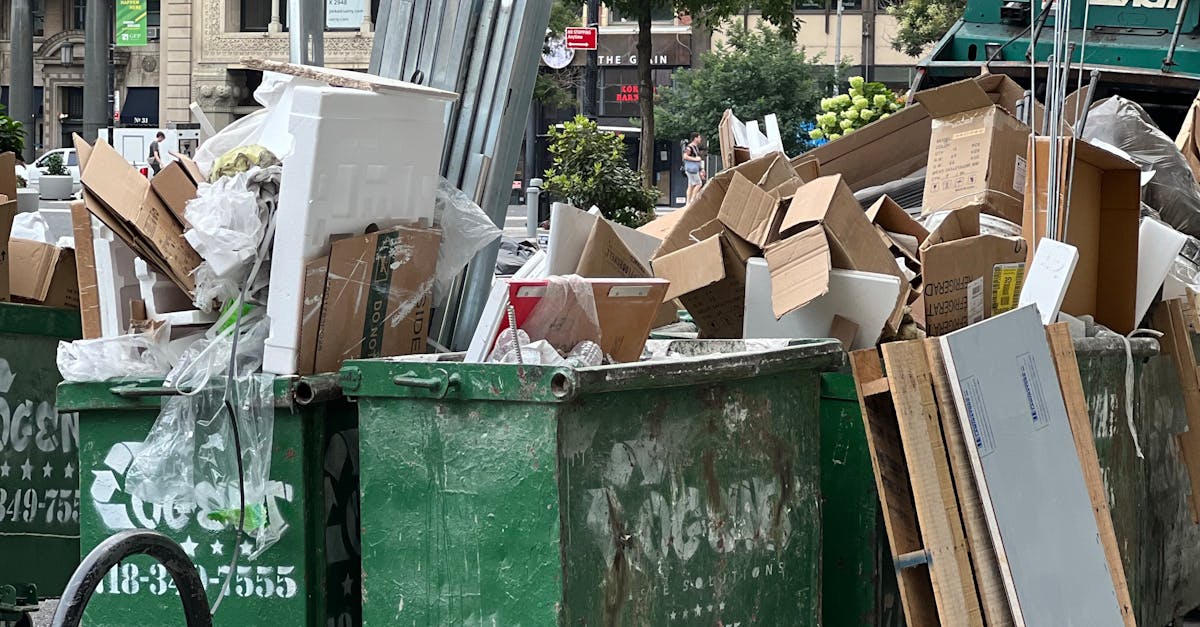
Table Of Contents
Organising Your Waste Before Filling
Taking the time to categorise your waste before filling a skip bin can significantly streamline the disposal process. Begin by identifying various types of materials you plan to discard, such as building debris, general household waste, and recyclables. By sorting these items beforehand, you can ensure a more efficient use of space in the skip, aiding in optimising disposal fees and adhering to regulations.
Clear organisation will also help in mitigating contamination of recyclables, which is vital for maintaining a sustainable waste management strategy. Grouping similar materials together not only makes filling the skip easier but also assists in the unloading process at the waste facility. This methodical approach can lead to better environmental outcomes while reducing the hassle commonly associated with cleanup activities.
Sorting Materials for Recycling
Creating a clear plan for sorting your materials can lead to efficient recycling and a more organised skip bin. Begin by identifying the different types of waste you have. Common categories include paper, cardboard, plastics, metals, and organic materials. Designate separate containers for each type, making it easier to dispose of like items together and reducing contamination in recyclable materials.
Proper sorting not only helps in recycling efforts but also often leads to cost savings. Many recycling facilities in Liverpool offer incentives for separated items. Understanding local guidelines regarding what can be recycled can also simplify the process. Always check for any restrictions on contaminated materials that may hinder the recycling process.
Weight Considerations for Skip Bins
When planning to fill a skip bin, understanding the weight limits is essential. Each bin has a maximum load capacity, which often varies depending on its size and intended purpose. Overloading a skip can lead to increased costs and potential safety hazards during transportation. It's crucial to check the specific weight guidelines set by your skip bin provider to avoid any unexpected fees or complications.
Another aspect to consider involves the types of materials being disposed of. Heavier items such as concrete, bricks, or soil can quickly add up, causing concerns if not managed correctly. It's wise to distribute weight evenly throughout the bin to ensure it does not exceed the limit. This practice not only guarantees compliance with regulations but also facilitates a smoother collection process. Proper planning can save you time and money while ensuring a safe and efficient waste disposal experience.
Understanding Load Limits and Fees
Every skip bin has a designated load limit, which is crucial to ensure safe transportation and disposal. Exceeding this limit can result in additional fees and complications during collection. Understanding the specifications of your chosen skip size is essential before filling it to avoid surprises later. Each waste type may have different weight implications, so it's important to consider what you're putting in the bin.
Fees associated with exceeding load limits can add up quickly. Operators often include extra charges for overloading, which can reflect both the additional effort required to transport the bin and potential damage to equipment. Careful planning and monitoring of the bin’s contents will not only help in staying within the limits but also in managing costs effectively.
Best Practices for Filling Your Bin
Maximising the available space in your skip bin is essential for efficiency and cost-effectiveness. Begin by layering waste materials carefully. Place heavier items at the bottom to create a stable base, then add lighter materials on top to fill gaps. This method ensures that you make the most of the bin's capacity while preventing any damage during transport.
Compact your waste as much as possible to optimise space. Use tools like a sledgehammer for larger items or a sturdy stick for softer materials to break them down. Ensure that no waste protrudes above the bin's rim, as this can lead to safety hazards and potential fines. Keeping the bin neatly filled not only adheres to regulations but also enhances the efficiency of collection and disposal.
Layering and Compacting Your Waste
Filling construction skip bins efficiently requires careful layering of materials to maximise space. Start with heavier items at the bottom to create a stable base. This prevents shifting during transport and ensures that lighter materials can be layered on top without risk of damage. Place bulkier items strategically to fill gaps between smaller objects, allowing for a more organised arrangement that optimises the available volume.
Compacting waste is equally important. Regularly pushing down lighter materials helps create a more solid fill, allowing you to fit more into the bin. Avoid leaving voids or air pockets, as these can reduce the overall capacity. Ensure that you follow the guidelines for filling to stay within the allowed weight limits, preventing any additional charges that may arise from overloading. A well-packed skip bin can significantly streamline the disposal process while enhancing cost-effectiveness.
FAQS
What types of waste can I put in a construction skip bin?
You can generally place construction waste such as concrete, bricks, timber, and metals in a skip bin. However, check with your provider for specific restrictions on hazardous materials like asbestos or chemicals.
How can I organise my waste before filling the skip bin?
It's best to sort your waste into categories such as recyclable materials, general waste, and non-recyclables. This will help you maximise space and ensure you're following proper recycling guidelines.
What are the weight limits for skip bins in Liverpool?
Each skip bin has a specific weight limit, usually outlined by the rental company. Exceeding this limit can result in additional fees, so make sure to verify the weight restrictions before filling your bin.
How can I compact my waste to fit more in the skip bin?
To maximise space in your skip bin, layer your waste strategically and compact lighter materials, such as packaging or soft furnishings, around heavier items like bricks or concrete.
Are there any fees associated with overloading a skip bin?
Yes, if you exceed the load limit of your skip bin, you may incur extra charges. It's important to be aware of the limits and adhere to them to avoid unexpected costs.
Related Links
Frequently Asked Questions about Construction Skip Bin Hire in LiverpoolNavigating Local Regulations for Construction Skip Bin Hire
The Role of Construction Skip Bins in Sustainable Building Practices
How to Ensure Efficient Waste Management with Construction Skip Bins
The Benefits of Using a Construction Skip Bin in Liverpool
Comparing Construction Skip Bin Sizes for Your Liverpool Projects
Choosing the Right Construction Skip Bin for Your Project in Liverpool
Essential Considerations for Construction Skip Bin Hire in Liverpool