Understanding the Importance of Waste Segregation in Construction Projects in Liverpool NSW
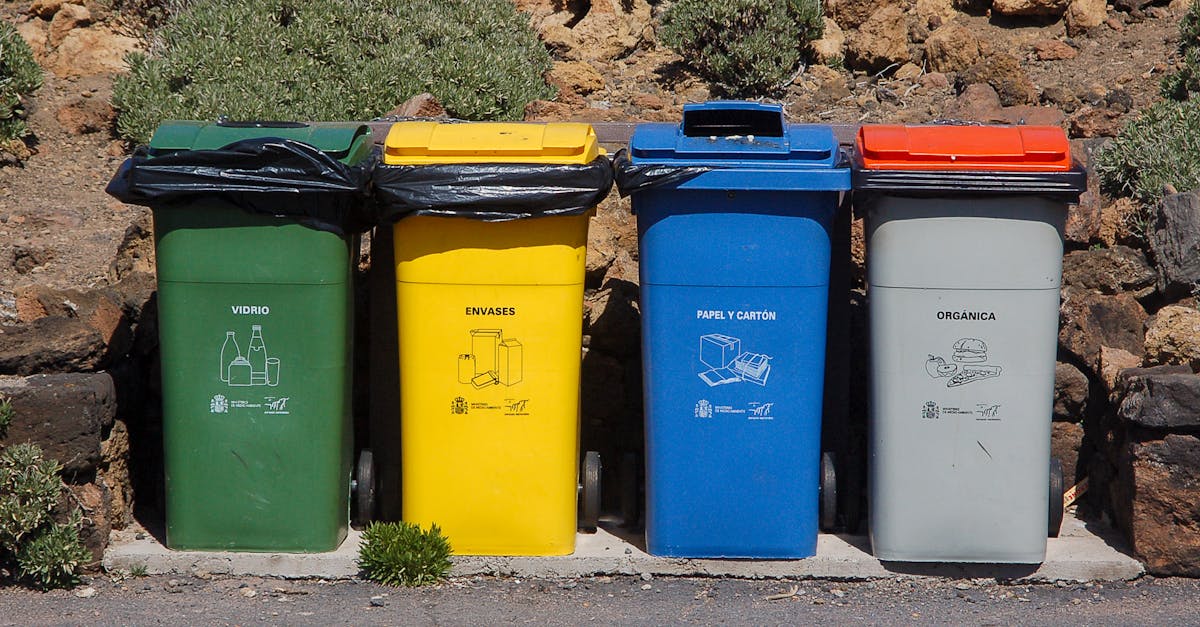
Table Of Contents
Role of Stakeholders in Waste Segregation
Stakeholders play a critical role in the effective segregation of waste in construction projects. Contractors, suppliers, and on-site workers are responsible for implementing waste management practices that align with local regulations. Their engagement in training and awareness programs enhances their understanding of the importance of separating materials like metal, concrete, and biodegradable waste. This collaborative effort not only optimises recycling processes but also minimises the amount of waste sent to landfills, contributing to broader environmental sustainability goals.
Local authorities also have a significant impact on waste segregation efforts. They can provide guidelines and support that facilitate better waste management practices within the construction sector. By establishing clear policies and offering incentives for compliance, authorities encourage stakeholders to adopt innovative waste segregation methods. This partnership fosters a culture of responsibility and awareness in the construction community, making segregation not just a requirement but also a standard practice embraced by all industry players.
Collaboration Between Contractors and Local Authorities
Construction projects often entail significant waste generation, making cooperation essential for effective waste management. Contractors play a vital role in ensuring adherence to local regulations regarding waste segregation. When these professionals collaborate with local authorities, they can create more effective waste management plans tailored to the specific needs of their projects. Communication between these parties facilitates the sharing of crucial information, such as the types of waste generated and the appropriate disposal methods.
The partnership can lead to the development of tailored training programs for construction teams, promoting awareness of waste segregation practices. Local authorities can provide contractors with resources and guidance, making it easier to comply with regulations and reduce environmental impacts. This collaboration not only enhances efficiency in managing waste but also fosters a sense of accountability among all stakeholders involved in the construction process. By working together, contractors and local authorities can drive positive changes that support sustainability in the community.
Challenges in Implementing Waste Segregation
Implementing effective waste segregation practices in construction projects often encounters various challenges. One significant hurdle is the lack of awareness and training among workers regarding the importance of proper waste management. Many employees may not fully understand the benefits of segregation or may be unaware of the specific requirements to follow. This knowledge gap can lead to improper disposal methods, negating the efforts of the project planners.
Another challenge arises from logistical issues within the construction sites themselves. Limited space can restrict the provision of separate bins for different types of waste, making it difficult for workers to comply with segregation practices. Additionally, fluctuating project timelines often contribute to rushed operations, leaving little room for sorting materials effectively. These factors can create an environment where adhering to waste segregation protocols becomes inconsistent.
Addressing Obstacles in Construction Projects
Implementing waste segregation in construction projects often encounters various challenges. A significant obstacle is the limited space available on site for separating materials. Construction sites frequently operate under tight constraints, requiring efficient use of every square metre. This can lead to confusion among workers regarding where to place recyclable materials versus general waste. Inadequate training and awareness can also contribute to poor waste management practices. If staff do not fully understand the benefits of segregation or the proper methods for doing so, they may not prioritise it in their daily routines.
Furthermore, logistics play a critical role in effective waste segregation. Coordinating the timely collection and disposal of segregated waste requires cooperation among contractors, hauliers, and waste management authorities. Delays in pickups can lead to overflowing bins or mixing of waste streams, which undermines the entire segregation effort. Financial constraints may limit investment in adequate sorting infrastructure, making it challenging for projects, especially smaller ones, to comply with best practices in waste management. Addressing these obstacles requires a holistic approach that fosters collaboration among all parties involved.
Case Studies of Successful Waste Segregation
Several construction projects in Liverpool have successfully demonstrated the effectiveness of waste segregation. One notable example involved a large residential development where the project team implemented a comprehensive waste management plan from the outset. Different bins were assigned for recyclable materials, such as metal and cardboard, while organic waste was also collected separately. Regular training sessions ensured that all workers understood the importance of correct disposal. As a result, the project significantly reduced the amount of waste sent to landfill and increased recycling rates.
Another successful initiative took place on a commercial building site. Here, the contractors partnered with local recycling companies to facilitate proper waste management. They established clear signage throughout the site to guide workers in sorting materials correctly. This not only improved compliance but also fostered a culture of sustainability among the team. Monitoring throughout the project revealed that waste diversion from landfills reached impressive levels, showcasing the potential for effective practices in the construction industry.
Learning from Liverpool's Construction Projects
Liverpool’s construction projects have provided valuable insights into effective waste segregation practices. Various contractors have implemented innovative strategies that not only comply with local regulations but also promote sustainable practices. For instance, multiple projects have adopted a systematic approach to sorting waste materials on-site. This proactive measure has minimised landfill contributions and maximised recycling opportunities, setting a benchmark for future development in the region.
The positive outcomes observed in these projects highlight the potential of waste segregation to transform the construction landscape in Liverpool. By collaborating with environmental organisations and local councils, contractors have been able to share knowledge and develop best practices. These partnerships have resulted in increased awareness among stakeholders about the significance of managing waste responsibly, ultimately contributing to a greener construction culture.
FAQS
What is waste segregation in construction projects?
Waste segregation in construction projects refers to the practice of separating different types of waste materials generated during construction, such as concrete, metals, wood, and hazardous materials, to facilitate recycling and proper disposal.
Why is waste segregation important in construction projects?
Waste segregation is important because it helps minimise environmental impact, reduces landfill waste, conserves resources, and can lead to cost savings through efficient recycling processes.
Who are the key stakeholders in waste segregation for construction projects?
Key stakeholders include contractors, local authorities, project managers, and waste management companies. Their collaboration is essential for effective waste segregation and compliance with local regulations.
What challenges do construction projects face in implementing waste segregation?
Challenges may include lack of awareness, inadequate infrastructure for waste separation, limited space for different waste bins, and resistance from workers or stakeholders who are not accustomed to these practices.
Can you provide examples of successful waste segregation in Liverpool's construction projects?
Yes, case studies in Liverpool have shown that projects implementing waste segregation have significantly reduced waste sent to landfills and increased the recycling of materials, demonstrating effective collaboration among stakeholders.
Related Links
Minimising Environmental Impact During Renovations in Liverpool NSWInnovative Waste Management Solutions for Home Renovations in Liverpool NSW
Cost-Effective Solutions for Managing Renovation Debris in Liverpool NSW
How to Maximise Space in Your Skip Bin for Renovation Projects in Liverpool NSW
Selecting the Right Skip Bin for Your Construction Needs in Liverpool NSW